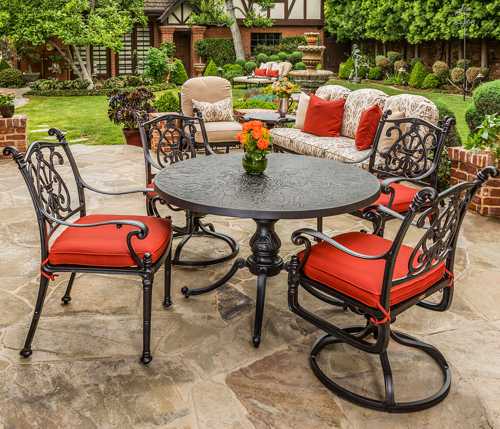
Living in the Charlotte area offers the distinct advantage of an extended outdoor living season. From early spring through the late autumn months, Queen City homeowners spend countless hours enjoying backyard patios, screened porches, and poolside terraces. However, the unique climate of the Piedmont region presents a tough environment for outdoor furniture.
Charlotte’s summers bring intense UV exposure, relentless humidity, sudden torrential afternoon thunderstorms, and the unavoidable challenge of local soil: Carolina red clay. Standard big-box patio furniture often deteriorates quickly under these conditions, resulting in rusted frames, faded fabrics, and stubborn clay stains.
Navigating these local climate factors requires selecting outdoor furniture engineered specifically for weather resistance, durability, and easy maintenance.
1. Defeating High Humidity and Summer Moisture
Charlotte’s geographical positioning creates a humid subtropical climate, characterized by high dew points and persistent air moisture throughout the summer. Humidity creates an environment where mold, mildew, and metal oxidation thrive if furniture lacks proper technical engineering.
Rust-Proof Frame Materials
To combat humidity and rain, frame selection is paramount.
- Powder-Coated Aluminum: Aluminum naturally resists rust because it contains no iron. High-end aluminum furniture features electrostatically applied powder-coat finishes (such as Tiger Drylac or Axalta) that create a seamless protective barrier against air and moisture.
- Marine-Grade Polymer (MGP): MGP is a dense, non-porous material that will not absorb water, swell, rot, or delaminate, making it completely immune to humidity.
- Grade-A Teak: Dense in natural oils and rubbers, Grade-A teak inherently repels water and prevents internal rot.
Quick-Drying Cushion Technology
Standard foam acts like a sponge, trapping humidity and rainwater inside the cushion, which leads to interior mold growth and unpleasant odors.
- Reticulated Polyurethane Foam: High-performance outdoor cushions utilize open-cell reticulated foam. This structure allows water to pour directly through the cushion rather than holding it internally, drastically accelerating dry times after summer downpours.
- Breathable Mesh Backings: Quality cushions feature mesh undersides that allow air to circulate continuously, preventing trapped condensation beneath the fabric.
2. Shielding Furniture from Intense Piedmont Sunlight
During peak summer, Charlotte experiences high UV index ratings. Prolonged exposure to solar radiation breaks down chemical bonds in plastics, causes cheap painted finishes to blister, and rapidly bleaches dyed fabrics.
Solution-Dyed Acrylic Fabrics
Traditional printed or dip-dyed fabrics only apply color to the outer surface of the yarn. Exposure to the sun quickly strips away this color.
- Locked-In Color: Solution-dyed acrylics (such as Sunbrella®) introduce color pigments into the liquid acrylic solution before the fibers are extruded into yarn. The color goes completely through the fiber, like a carrot, rather than a radish.
- UV and Bleach Resistance: Solution-dyed textiles retain their color vibrancy under intense Carolina sunlight and can even be cleaned with diluted bleach solutions without losing their hue.
Commercial-Grade Frame Coatings
Sunlight can also cause low-grade frame finishes to chalk, peel, or crack. High-performance outdoor furniture utilizes UV-stabilized powder coatings and high-tenacity woven ropes that are chemically treated to resist fading and dry-rot caused by solar exposure.
3. Taming the Threat of Carolina Red Clay
One of the most distinct environmental challenges in North Carolina is red clay soil. Rich in iron oxide, red clay is highly pigmented and notoriously difficult to remove once tracked onto outdoor rugs, cushion fabrics, or light-colored frame finishes.
Clay-Resistant Material Choices
When selecting furniture for open patios or lawn-adjacent decks, choosing materials that resist clay staining simplifies routine care.
- Smooth, Non-Porous Finishes: Smooth powder-coated aluminum, smooth MGP, and non-porous HDPE poly-lumber do not allow red clay particles to penetrate the surface. A simple spray from a garden hose usually removes fresh clay dust immediately.
- Textured Rope and Webbing: High-tenacity synthetic rope weaves stand up well to outdoor soil exposure, but choosing darker or mid-tone colorways (like charcoal, slate, greige, or taupe) helps mask micro-particles of clay dust between deep cleanings.
How to Safely Clean Red Clay from Fabrics
If red clay gets tracked onto your outdoor cushions or rugs, follow these cleaning steps to prevent setting the stain:
- Let It Dry Completely: Never rub wet red clay into fabric, as this forces the iron oxide particles deep into the weave. Allow the clay to dry fully into a crust.
- Brush Away Excess: Gently brush away the dried clay crust using a soft-bristle nylon brush or vacuum off the loose dirt.
- Apply Mild Cleaner: Mix mild liquid dish soap with lukewarm water. Spray the solution onto the affected area and agitate gently with a soft brush.
- Rinse Thoroughly: Hose down the fabric until all soap suds and clay residues are completely flushed out, then allow it to air dry in a shaded area.
4. Seasonal Protection and Preventive Care
Even the most durable outdoor furniture benefits from a straightforward maintenance routine to maximize its operational lifespan in the Charlotte region.
- Spring Pollen Removal: Every spring, Charlotte experiences a heavy pine pollen season. Pollen itself does not damage performance furniture, but it creates a organic layer where mold spores can settle if left unattended. Hose down your furniture weekly during peak pollen weeks using clean tap water.
- Custom Breathable Covers: Using fitted, water-repellent covers during winter months or extended periods of non-use protects frames and cushions from standing leaf debris, tree sap, and freeze-thaw cycles. Ensure covers are breathable to prevent trapped condensation underneath.
Built for a Lifetime of Carolina Living
Creating an inviting backyard retreat in Charlotte doesn’t mean you have to constantly worry about weather damage. By investing in contract-grade materials—such as powder-coated aluminum, Marine-Grade Polymer, solution-dyed acrylic fabrics, and quick-dry foam—you can build an outdoor living space that effortlessly handles humidity, intense summer heat, and red clay.
Find Your Signature Outdoor Style at Hearth & Patio in Charlotte
Ready to transform your porch, terrace, or poolside deck into a resort-grade sanctuary? For over 30 years, Hearth & Patio has been Charlotte’s best destination for luxury outdoor furniture, custom fire features, and high-performance grills. Whether you are curating a historic brick veranda, fitting a cozy porch, or designing an expansive outdoor entertainment room, our Charlotte showroom features top-tier brands, contract-grade materials, and endless customization options.
Visit our Monroe Road showroom today to experience live fire displays in person, explore weather-resistant finish swatches, and work one-on-one with our experienced outdoor design specialists!